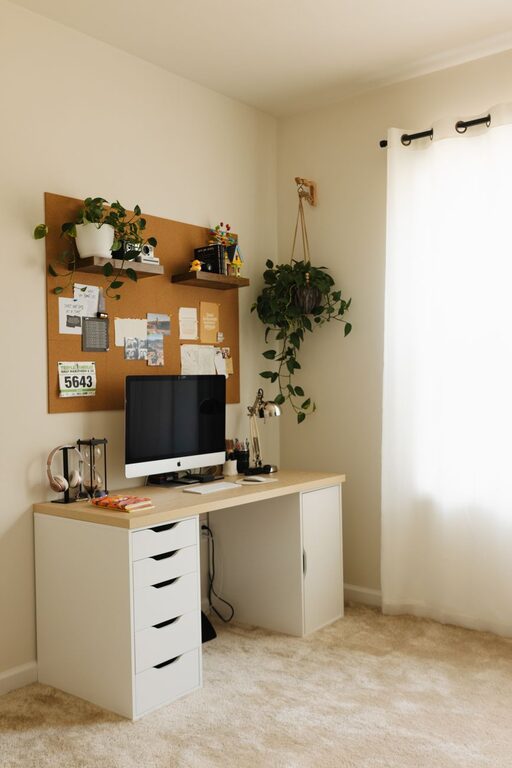
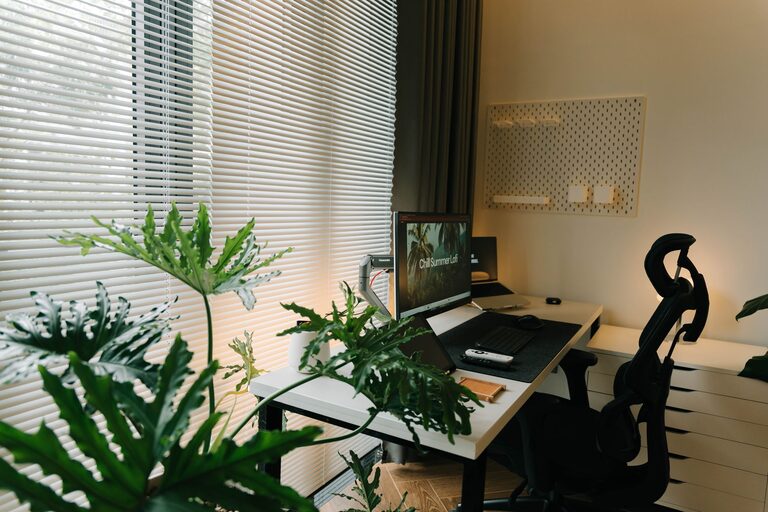
Creating a productive home office space is essential for anyone working remotely or tackling projects at home. A well-designed workspace can improve focus, efficiency, and overall well-being. Whether you have a dedicated room or a small corner in your house, thoughtful planning and organization can transform your area into a hub of productivity.
In this guide, we’ll explore practical tips to help you set up a home office that supports your work and keeps distractions at bay.
Choose the Right Location
The first step is selecting the best spot in your home for your office. Ideally, look for:
– A quiet area with minimal foot traffic
– Plenty of natural light to boost mood and energy
– Sufficient space for your desk, chair, and other essentials
If a separate room isn’t available, choose a corner or nook where you can separate work from leisure as much as possible.
Invest in Comfortable, Functional Furniture
Comfort plays a big role in productivity. Spending hours in an uncomfortable chair or cramped desk can lead to fatigue and poor posture.
– Ergonomic chair: Choose one with adjustable height and good lumbar support.
– Desk: Pick a desk with enough surface area for your computer, notepad, and any tools you use regularly.
– Standing desk option: Consider a sit-stand desk or a desk converter to alternate positions throughout the day and reduce sitting time.
Maximize Lighting
Good lighting reduces eye strain and maintains alertness. Aim for a blend of natural and artificial light:
– Position your desk near a window if possible.
– Use adjustable desk lamps to focus light where you need it.
– Choose bulbs with a daylight or cool white hue to mimic natural light and keep energy levels up.
Organize with Storage Solutions
A cluttered workspace can cause distractions and stress. Keep your office neat with these tips:
– Use shelves, drawers, or filing cabinets to store documents and supplies.
– Try desk organizers or trays to keep pens, paper, and gadgets in order.
– Regularly declutter to avoid piles of unnecessary items building up.
Manage Technology Efficiently
Reliable technology is crucial for smooth workflow.
– Invest in a fast, stable internet connection.
– Use a quality monitor or laptop with sufficient screen size.
– Keep cables tidy with clips or covers to prevent tangling and hazards.
– Consider noise-cancelling headphones if you need concentration in noisy environments.
Personalize Your Space Wisely
Adding personal touches can make your office inviting and motivating without being distracting.
– Display a few inspirational photos or artwork.
– Incorporate plants to improve air quality and add a natural element.
– Use calming colors or décor that suits your style.
Create a Routine and Boundaries
Even with the perfect physical setup, productivity depends on habits.
– Set clear working hours and stick to them.
– Take regular breaks to stretch and rest your eyes.
– Inform family or housemates about your work schedule to minimize interruptions.
Consider Acoustics
Noise can disrupt focus, so consider sound management:
– Use rugs and curtains to absorb sound.
– Add soft furnishings like cushions to reduce echoes.
– Employ white noise machines or apps if needed.
Keep Essentials Close and Minimize Distractions
Having frequently used items within reach saves time and keeps your workflow smooth.
At the same time, avoid non-work-related distractions:
– Keep personal devices like phones on silent or in another room.
– Limit social media browsing during work hours.
Maintain Good Air Quality
Fresh air and proper ventilation improve concentration and comfort.
– Open windows regularly to circulate fresh air.
– Use an air purifier if needed to reduce dust and allergens.
—
Creating a productive home office might take some initial effort, but the results are worth it. By choosing the right spot, investing in comfortable furniture, organizing efficiently, and establishing good work habits, your home office can become a space where you enjoy working and produce your best work.
Take time to adapt your environment as your needs and tasks evolve—small changes can make a big difference in keeping your productivity high.
About the Author