Creating a home office that’s both cozy and productive can make a big difference in your work-from-home experience. Whether you’re working full-time remotely, freelancing, or just need a dedicated spot to manage personal tasks, a thoughtfully designed workspace helps keep you focused and comfortable. Here are some useful tips to help you set up a home office that supports both productivity and relaxation.
Choose the Right Location
The first step in designing your home office is picking the best spot in your home.
– Consider natural light: A space with plenty of sunlight can boost mood and energy levels.
– Minimize distractions: Avoid high-traffic areas or places near noisy appliances.
– Use an existing room or a quiet corner: This can be a spare bedroom, a nook, or even part of your living room.
Finding a location with a balance between privacy and access to resources will help you stay on task.
Invest in Comfortable and Functional Furniture
Comfort is key for long hours spent working. Invest in a good chair and desk designed for ergonomics.
– Ergonomic chair: Look for adjustable height, lumbar support, and sufficient padding.
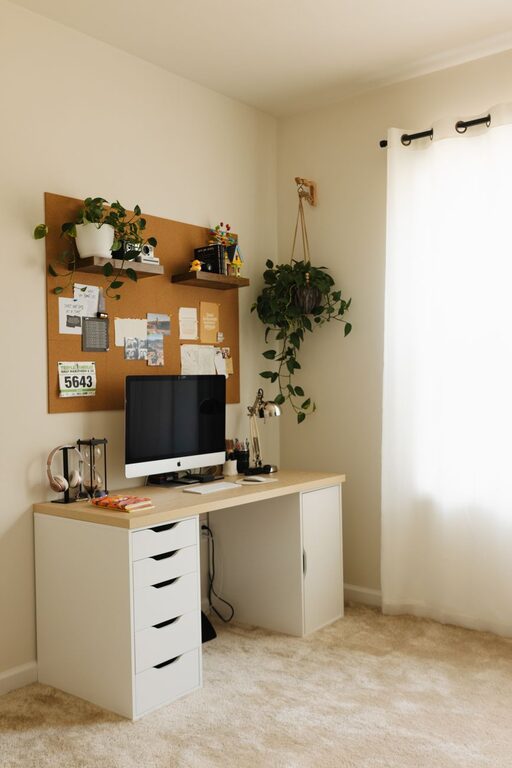
– Desk space: Choose a desk that fits your room and provides enough surface area for your computer, notepads, and other essentials.
– Consider standing desks: These can be an option to alternate between sitting and standing, which helps reduce fatigue.
Proper furniture supports your posture and keeps you comfortable, which directly impacts focus and productivity.
Optimize Lighting
Lighting has a strong influence on how you feel during work.
– Use natural light whenever possible: Position your desk near a window.
– Supplement with task lighting: A desk lamp with adjustable brightness can reduce eye strain.
– Avoid screen glare: Position screens perpendicular to windows and use curtains or blinds to control sunlight.
Good lighting can reduce headaches and help you maintain energy throughout the day.
Personalize Your Space
Adding personal touches can make your office feel inviting and boost motivation.
– Decorate with plants: Indoor plants improve air quality and create a calming atmosphere.
– Add artwork or photos: Choose images that inspire or relax you.
– Use colors you enjoy: Soft, warm colors often create a cozy vibe, while brighter hues can energize.
Personalization helps your space feel uniquely yours, making it a place you want to spend time.
Keep Your Workspace Organized
Clutter can be distracting and reduce productivity. Implement organization solutions to maintain a tidy workspace.
– Use storage organizers: Shelves, trays, and drawers keep supplies neat.
– Cable management: Secure cords with clips or sleeves to avoid tangling.
– Daily tidying: Spend a few minutes at the end of each day putting items back in place.
An organized workspace helps clear your mind and allows you to focus better.
Incorporate Technology Wisely
Technology is essential for most home offices, but it should support your work instead of complicating it.
– Reliable internet: Ensure your connection is fast and stable.
– Quality equipment: Invest in a good computer, keyboard, mouse, and headphones or speakers.
– Minimize distractions: Use apps or settings to limit notifications and background noise while working.
Using technology effectively helps you stay connected and work efficiently.
Manage Noise and Distractions
Creating a quiet environment can support concentration.
– Use noise-cancelling headphones: These are helpful if you can’t control ambient noise.
– Set boundaries: Communicate your work hours to family or housemates.
– Consider soundproofing: Rugs, curtains, or acoustic panels can reduce noise.
Controlling sounds around you fosters focus and reduces stress.
Take Breaks and Move Around
Even the best setup can’t replace the benefits of moving periodically.
– Follow a schedule: Plan regular breaks to stretch, move, or relax.
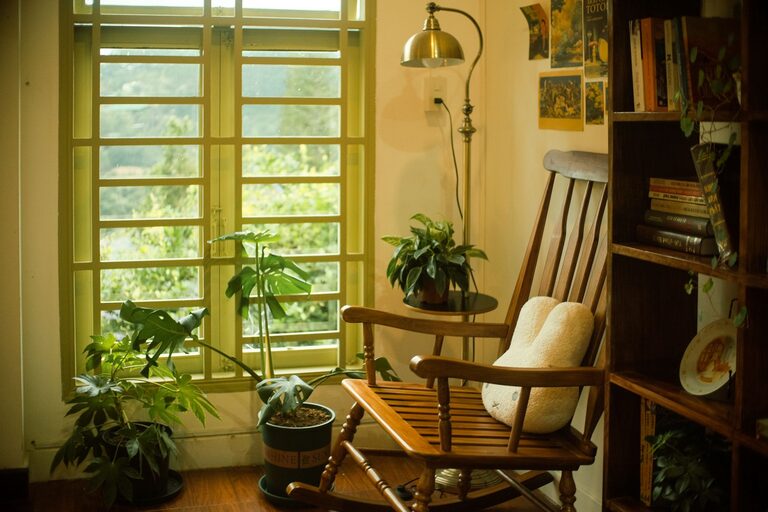
– Create a break zone: Have a cozy chair or a small area separate from your desk to recharge.
– Practice mindfulness or quick exercises: These can refresh your mind and body.
A balance between work and rest improves overall productivity and well-being.
Final Thoughts
Designing a home office that feels comfortable and supports your work habits is a worthwhile investment. By paying attention to location, furniture, lighting, and organization, you can create a space that not only looks inviting but also helps you get things done efficiently. Personalizing the area and managing distractions will make your home office a place where you truly enjoy spending time. Take the time to set up your workspace thoughtfully—it can make all the difference in your daily productivity and comfort.
About the Author