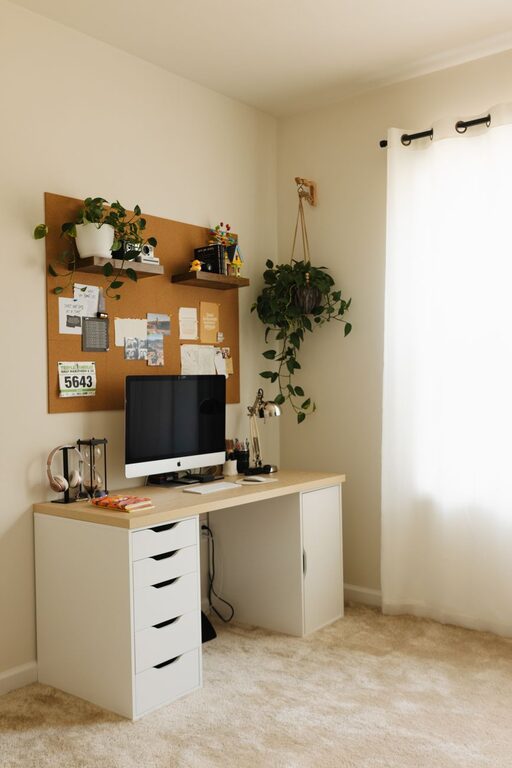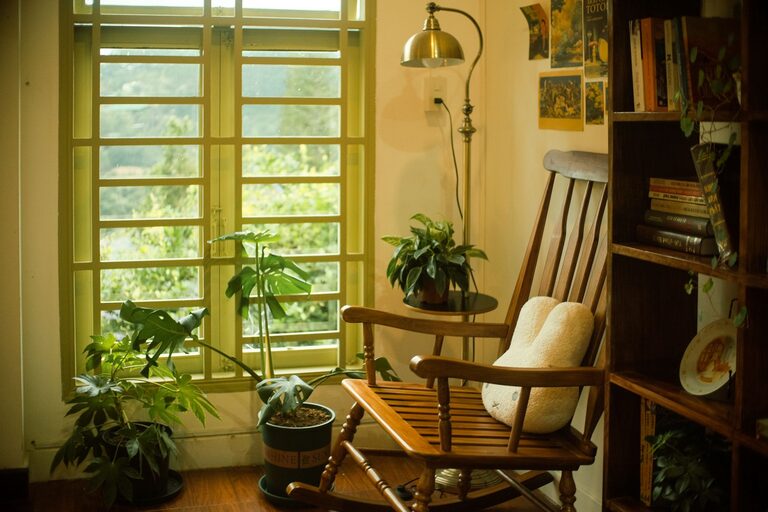
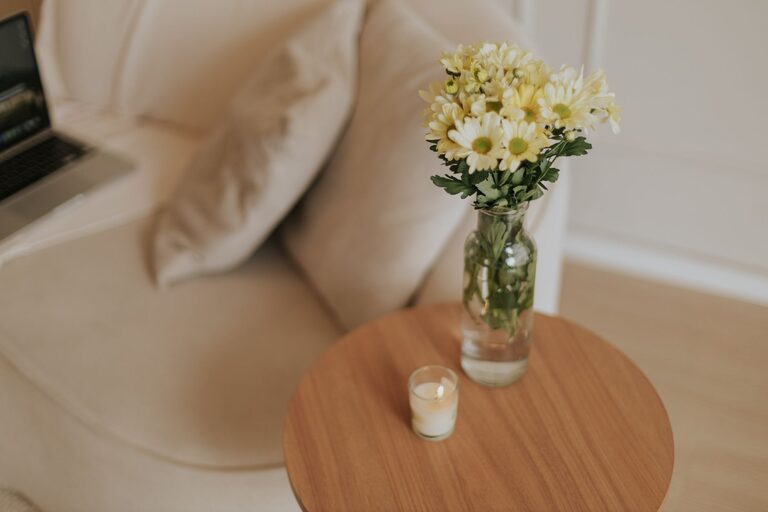
Creating a home office that feels both cozy and inviting can make a significant difference in your daily work routine. A well-designed space encourages focus, reduces stress, and enhances motivation, helping you get the most out of your workday. Whether you have a dedicated room or a small corner, thoughtful design choices can turn any area into a comfortable working environment.
In this post, we will explore practical tips to help you craft a home office that invites you to sit down and work with pleasure and ease.
1. Choose the Right Location
Finding the perfect spot for your home office is the first step. Ideally, select an area that offers natural light and minimal distractions.
– Natural Light: Position your desk near a window to take advantage of daylight. Natural light helps improve mood and reduce eye strain.
– Quiet Environment: Pick a space that’s away from busy household areas, such as the kitchen or living room, to maintain focus.
– Adequate Space: Even a small nook can work as long as you have enough room for your essentials, like a desk, chair, and storage.
2. Invest in Comfortable Furniture
Comfort is key when it comes to long hours of work. Your furniture choices affect your posture, energy, and overall well-being.
– Ergonomic Chair: Choose a chair with adjustable height and lumbar support to protect your back.
– Functional Desk: Select a desk that fits your working style, whether you prefer a traditional desk, a standing desk, or a compact table.
– Footrest or Cushion: Small accessories like footrests or seat cushions can increase comfort during extended work periods.
3. Personalize with Warm and Soothing Colors
Colors influence mood and productivity. To create a cozy atmosphere, opt for palettes that feel warm and calming.
– Soft Neutrals: Shades like beige, cream, or light gray provide a soothing backdrop and keep the space bright.
– Warm Accents: Incorporate colors such as muted yellows, soft oranges, or warm greens in accessories or wall art.
– Balance: Avoid overly bright or distracting colors that might cause fatigue or disrupt concentration.
4. Add Texture and Layers
Texture adds depth and comfort to your office. Layering textiles and materials softens the look and creates a welcoming feeling.
– Rugs: A plush rug underfoot can warm up the room, especially if you have hardwood or tile floors.
– Throw Blankets and Pillows: A chic throw on a nearby chair adds both style and warmth.
– Natural Materials: Incorporate wood, wicker, or fabric elements to bring an organic and inviting touch.
5. Optimize Lighting for Both Function and Ambiance
Good lighting is essential for productivity and reducing eye strain, but it also contributes to the room’s vibe.
– Task Lighting: Use adjustable desk lamps to focus light on your work area.
– Ambient Lighting: Soft, diffuse overhead or floor lamps provide general illumination that feels gentle.
– Avoid Harsh Lighting: Steer clear of overly bright or flickering bulbs that can cause discomfort.
6. Keep Your Space Organized
Clutter-free spaces help reduce stress and make it easier to focus on your tasks.
– Storage Solutions: Utilize shelves, filing cabinets, or boxes to store documents and supplies neatly.
– Desk Organizers: Keep essentials like pens, notebooks, and chargers within reach but organized.
– Regular Tidying: Develop a habit of clearing your workspace at the end of each day to start fresh the next morning.
7. Bring in Elements of Nature
Incorporating natural elements enhances tranquility and general well-being.
– Plants: Indoor plants improve air quality and add a splash of color. Choose low-maintenance varieties like succulents, snake plants, or pothos.
– Natural Scents: Use candles or essential oil diffusers with subtle scents like lavender or eucalyptus to create a relaxing environment.
– Nature-Inspired Decor: Artwork, photographs, or objects that reflect nature can provide a calming influence.
8. Incorporate Personal Touches
Personal details transform a functional office into a space you love to spend time in.
– Photos and Artwork: Display cherished photos, motivational prints, or creative artwork that inspires you.
– Favorite Books and Items: Keep some of your favorite books or meaningful objects nearby for comfort and inspiration.
– Unique Accessories: Choose desk accessories and decor items that reflect your personality and style.
9. Manage Noise and Distractions
A cozy office is also a quiet one. Managing sound helps maintain concentration and peace.
– Noise-Canceling Headphones: If unavoidable noise is an issue, headphones can help you focus.
– Soundproofing: Consider rugs, curtains, or soundproof panels that absorb noise.
– White Noise or Music: Soft background sounds or calm music playlists can aid focus and creativity.
10. Maintain a Healthy Work-Life Balance
Your home office should encourage productivity while supporting your well-being.
– Schedule Breaks: Use timers or alarms to remind yourself to take short breaks.
– Designated Work Hours: Set clear start and end times for your workday to avoid burnout.
– Separate Space: If possible, keep work confined to your office space to mentally separate work from leisure time.
—
Final Thoughts
Designing a cozy and inviting home office is about balancing comfort, style, and functionality. With thoughtful choices in location, furniture, lighting, and decor, you can create a workspace that makes working from home enjoyable and efficient. Remember that this space should reflect your personal preferences and support your unique workflow.
Take the time to experiment and adjust your setup until it feels just right. With these tips, your home office can become a haven where productivity and comfort go hand in hand.
About the Author