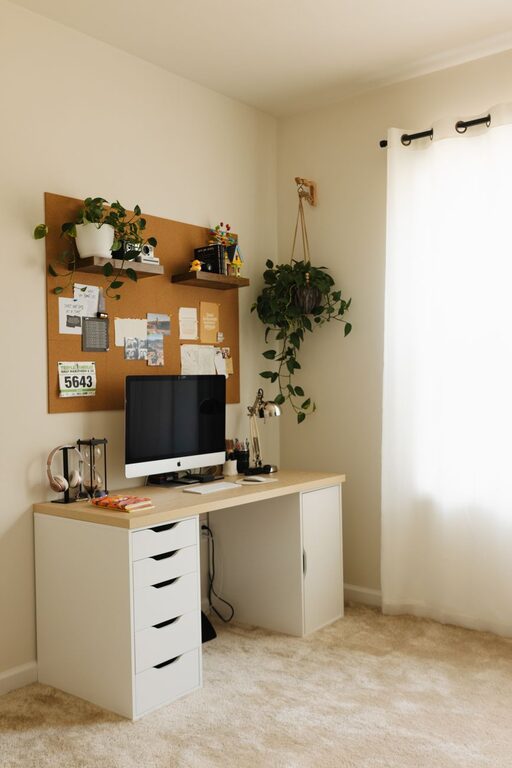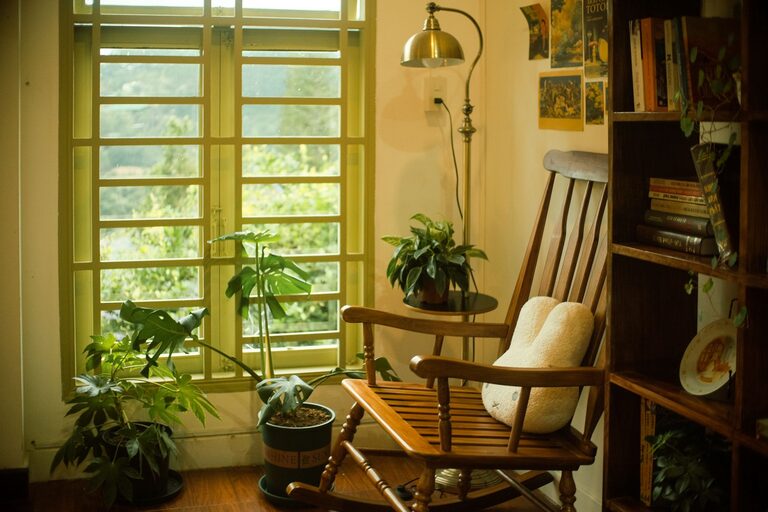
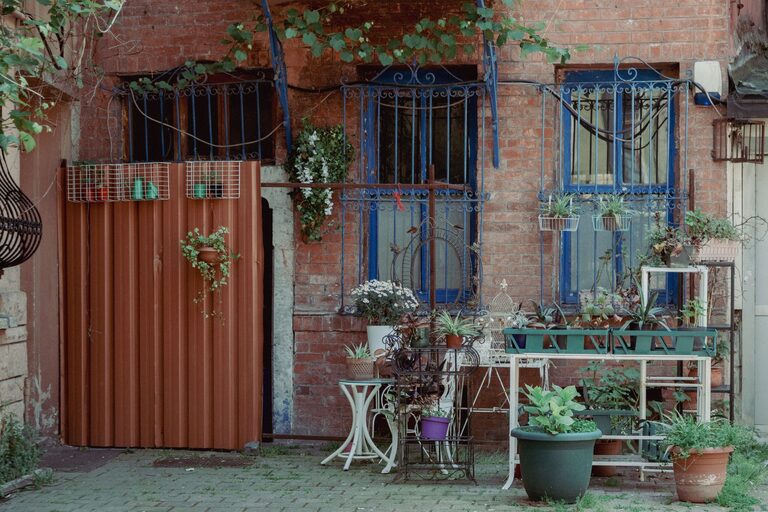
Creating a sustainable garden in a small space might seem challenging at first, but with the right approach, it’s entirely possible to grow a thriving green oasis that benefits both you and the environment. Whether you have a balcony, a small backyard, or an indoor area with some sunlight, these tips will help you make the most of your space while practicing eco-friendly gardening.
Why Choose Sustainable Gardening?
Sustainable gardening focuses on growing plants in ways that conserve resources, reduce waste, and support local ecosystems. It helps in conserving water, improving soil health, reducing pollution, and providing habitat for beneficial insects and birds. Even in small spaces, adopting sustainable gardening practices can make a difference by promoting biodiversity and minimizing your environmental footprint.
Planning Your Small Space Sustainable Garden
Assess Your Space and Sunlight
Before planting, evaluate your available space carefully. Measure the area and observe the sunlight patterns throughout the day. Most vegetables and flowering plants need at least 6 hours of sunlight, but some leafy greens and herbs can thrive in partial shade. Understanding your light availability will guide you in choosing the right plants.
Choose the Right Containers and Beds
When space is limited, containers and raised beds are valuable tools. Use pots, window boxes, or vertical planters to maximize space. Opt for containers made from recycled or sustainable materials like wood, terracotta, or metal. Raised beds improve drainage and soil quality, which is especially helpful if your native soil is poor.
Sustainable Gardening Practices for Small Spaces
Use Organic Soil and Compost
Avoid chemical fertilizers and instead use organic soil mixes rich in compost. Composting kitchen scraps and garden waste reduces landfill waste and creates nutrient-rich material that improves soil health and moisture retention. Consider vermicomposting with worms if space allows.
Water Wisely
Water conservation is key in sustainable gardening. Use drip irrigation or soaker hoses to target water at plant roots, minimizing evaporation. Water plants early in the morning or late in the evening to reduce water loss. Collect rainwater in small barrels if possible, which can reduce your dependence on tap water.
Select Native and Drought-Tolerant Plants
Choosing native plants supports local wildlife and requires less water and maintenance. Drought-tolerant plants are also great options to minimize watering. Consider herbs like rosemary, thyme, or sage, and native flowers or shrubs suited to your local climate.
Practice Companion Planting
Companion planting pairs plants that support each other, helping reduce pests and improve growth naturally. For example, planting marigolds near tomatoes can deter certain insects. This reduces the need for chemical pesticides, promoting a healthier garden environment.
Encourage Pollinators
Small gardens can become refuges for bees, butterflies, and other pollinators, essential for many plants to produce fruits and seeds. Include flowering plants that provide nectar throughout the growing season, such as lavender, coneflowers, or bee balm. Avoid pesticides to protect these beneficial visitors.
Maximizing Space with Creative Techniques
Vertical Gardening
Vertical gardening uses trellises, wall-mounted planters, or stacked pots to grow plants upward. This method is excellent for climbers like peas, beans, cucumbers, or even strawberries. Vertical gardening saves ground space and adds visual interest.
Square Foot Gardening
This technique divides growing areas into small, organized sections, maximizing planting density and minimizing wasted space. By carefully spacing plants and choosing compatible species, you can increase your garden’s productivity without crowding.
Container Grouping and Mobility
Group containers to create microclimates that protect fragile plants from wind or sun exposure. Using lightweight pots or planters on wheels allows you to move plants as needed, optimizing sunlight exposure throughout the year.
Additional Sustainable Tips
Grow Edibles and Herbs
Small gardens are ideal for growing your own herbs, vegetables, and fruits, reducing the need to buy packaged produce and lowering your carbon footprint. Popular choices include lettuce, spinach, cherry tomatoes, peppers, basil, and mint.
Mulch to Retain Moisture and Suppress Weeds
Mulching with organic materials like straw, leaves, or wood chips helps retain soil moisture, regulate temperature, and prevent weed growth. This means less watering and less work weeding.
Reuse and Recycle Garden Materials
Look for ways to reuse materials like old pallets, tin cans, or glass jars in your garden. DIY planter projects can recycle everyday items and add charm to your space while reducing waste.
Monitor and Adjust Seasonally
Small spaces often require seasonal adjustments, like moving containers indoors during winter or swapping out plants depending on the season. Keep a gardening journal to track what works well and adapt over time.
Conclusion
Even the smallest garden space can become a sustainable, vibrant, and productive haven. By planning thoughtfully, choosing the right plants and containers, and adopting eco-friendly practices, you can grow a garden that’s good for you and the planet. Start small, experiment, and watch your green space flourish sustainably over time. Happy gardening!
About the Author