Creating a relaxing home office environment is more important than ever as many people work remotely or spend significant time at home. A calm and comfortable workspace not only boosts your productivity but also helps reduce stress and maintain a healthy work-life balance. If you’ve been struggling with distractions or feeling overwhelmed in your current setup, these tips can help transform your home office into a peaceful haven.
Choose the Right Location
Find a Quiet Spot
Selecting a location away from high-traffic areas of your home can significantly reduce distractions. If possible, use a spare room or a corner where noise and interruptions are minimal.
Consider Natural Light
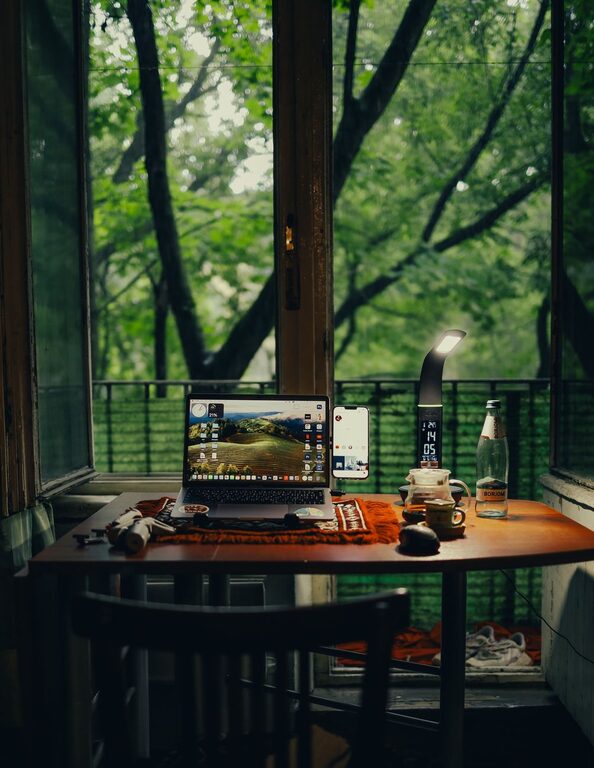
Position your desk near a window to enjoy natural sunlight. Natural light helps elevate mood and energy levels throughout the day, making work feel less tiring.
Invest in Comfortable Furniture
Ergonomic Chair and Desk
Comfortable seating with proper lumbar support can prevent back and neck pain. An adjustable chair and a desk that suits your height are key to maintaining good posture.
Use a Standing Desk Option
If you can, consider a convertible standing desk to alternate between sitting and standing. This flexibility promotes better circulation and reduces fatigue.
Manage Lighting Thoughtfully
Balanced Lighting
In addition to natural light, use soft, adjustable lighting to avoid eye strain. A desk lamp with adjustable brightness allows you to tailor light for different times of the day.
Avoid Glare
Position screens and lamps strategically to prevent glare on your computer monitor, which can cause headaches and discomfort.
Maintain a Clutter-Free Workspace
Organize Your Desk
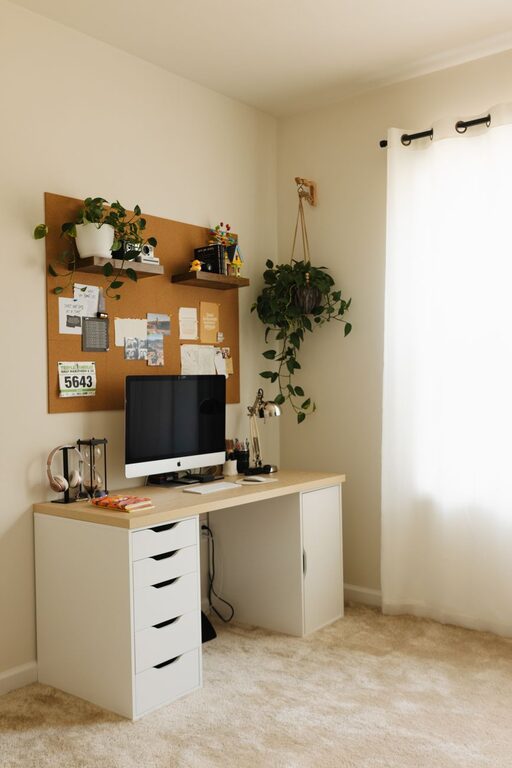
Keep only essential items on your desk. Use organizers, trays, or drawers to store supplies, reducing visual clutter that can cause distraction or anxiety.
Implement a Filing System
Whether physical or digital, a simple filing system allows you to keep important documents accessible and prevents piles of paper from building up.
Incorporate Calming Elements
Add Plants
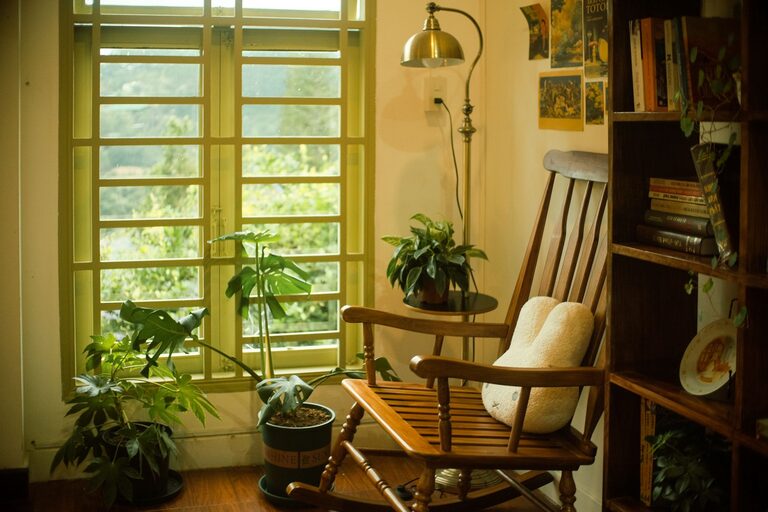
Indoor plants not only brighten up your space but also improve air quality and add a natural calming touch.
Choose Relaxing Colors
Soft, neutral tones such as blues, greens, or earth tones can promote relaxation and focus. Avoid overly bright or harsh colors in your decor.
Use Sound to Your Advantage
Play Soft Background Music
Instrumental or nature sounds can enhance concentration and create a soothing atmosphere.
Consider Noise-Canceling Options
If outside noise is unavoidable, use noise-canceling headphones or white noise machines to maintain focus.
Personalize Without Overdoing It
Display Inspiring Items
Photos, artwork, or motivational quotes can boost your mood and motivation. Choose items that bring you joy but avoid clutter.
Balance Personal and Professional
Keep the space professional enough to help you switch into work mode, but make it comfortable so you enjoy spending time there.
Take Breaks and Move
Set Reminders to Stretch
Taking short, regular breaks helps reduce physical and mental fatigue. Simple stretches or a quick walk can refresh your mind.
Create a Relaxation Corner
If space allows, add a comfortable chair or cushion nearby for breaks, where you can meditate, read, or simply breathe.
Control Temperature and Air Quality
Keep the Room Well-Ventilated
Fresh air improves concentration and comfort. Open windows when possible or use an air purifier for better air quality.
Maintain Comfortable Temperature
Adjust heating or cooling so your workspace stays neither too hot nor too cold, contributing to overall comfort throughout the day.
Establish Boundaries
Define Work Hours
Set clear start and end times to help separate work from personal life.
Inform Others in Your Household
Communicate your work schedule to family or housemates so they can respect your quiet time and space.
—
By implementing these tips, you can create a home office environment that supports both relaxation and productivity. A thoughtfully designed workspace helps you feel comfortable, focused, and ready to tackle your workday with less stress. Remember, small changes can make a big difference in your daily work experience.
About the Author