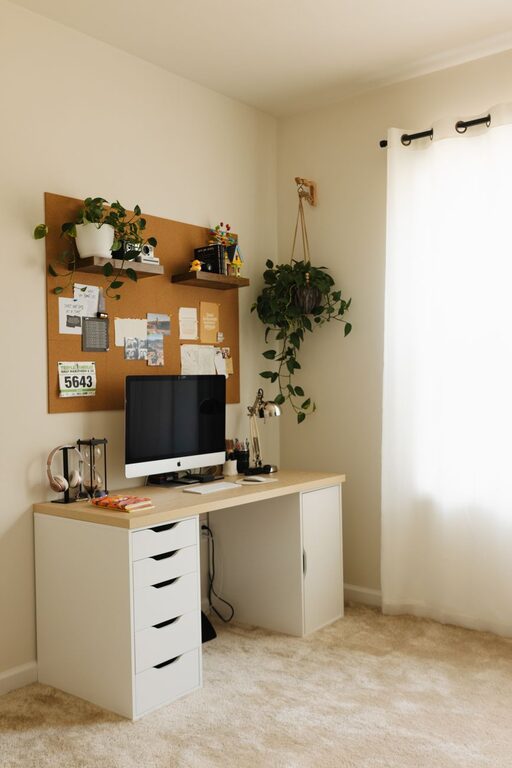
Creating a well-organized home office is essential for maximizing both productivity and comfort. Whether you work remotely full-time or occasionally need a dedicated space for tasks, having a tidy, functional workspace can make a big difference in your efficiency and mood. In this post, we’ll explore easy tips to help you organize your home office so it works better for you every day.
Why Organizing Your Home Office Matters
A cluttered or poorly arranged office can lead to distractions, stress, and wasted time. When your workspace is organized, it helps you focus, reduces frustration, and even boosts creativity. Comfort is equally important because prolonged sitting or awkward arrangements can cause discomfort or fatigue, which impacts your ability to stay productive.
Here are some practical ways to create an office that feels inviting and supports your work goals.
Start with Decluttering: Clear Out Unnecessary Items
Before rearranging or adding storage, clear your workspace of anything you don’t really need.
– Sort through papers and supplies: Remove old documents, expired items, and duplicates.
– Limit knickknacks: Personal touches are nice, but keep them minimal so they don’t crowd your desk.
– Digitize when possible: Scan documents to reduce paper clutter.
– Have a “home” for everything: Items that don’t have a designated place tend to pile up.
Spend a few minutes daily or weekly tidying up to keep clutter from building again.
Choose the Right Desk and Chair for Comfort
Your furniture is the foundation of a productive office setup.
– Desk size matters: Choose a desk with enough space for your computer, notepads, and any tools you need, without overcrowding.
– Ergonomic chair: Invest in a chair that supports good posture. Adjustable height and lumbar support can prevent discomfort.
– Desk height: When sitting, your elbows should be at a 90-degree angle. Adjustable desks or adding risers can help.
Comfortable furniture reduces distractions caused by aches or fatigue.
Optimize Lighting for Both Function and Ambience
Proper lighting is important for eye health, reducing strain, and improving focus.
– Natural light: Set up your desk near a window if possible, but avoid glare on your screen.
– Layered lighting: Combine overhead lights with task lighting, like a desk lamp, to brighten your workspace effectively.
– Adjust brightness: Use dimmable lights or bulbs with warm tones to reduce harshness.
Good lighting can also impact your mood and energy levels positively.
Organize Your Supplies Within Easy Reach
Keep the tools you use most often within arm’s reach to avoid disrupting your workflow.
– Use desk organizers: Pen holders, trays, and drawer dividers help sort supplies.
– Vertical storage: Shelves or wall-mounted organizers free up desk space.
– Label storage containers: Clear labels make it easy to find items quickly.
Having a system for your supplies saves time and keeps your desk tidy.
Set Up Efficient Cable Management
Cables and cords can create a tangled mess and get in the way.
– Use cable clips and ties: Keep cords bundled and routed neatly along desk edges.
– Cable boxes: Hide power strips and adapters to maintain a clean look.
– Wireless options: Whenever possible, opt for wireless keyboards, mice, and headphones.
A tidy cable setup reduces distractions and hazards.
Personalize Your Space Thoughtfully
Adding personal touches makes your office a place you want to spend time in, but balance is key.
– Plants: Small indoor plants add freshness and can improve air quality.
– Artwork: Choose calming or inspiring pieces, but avoid cluttering walls.
– Comfort accessories: Cushions, footrests, or a cozy blanket can enhance comfort.
Personalizing your office can boost mood without sacrificing organization.
Create Zones for Different Activities
If your space allows, designate areas for various tasks.
– Work zone: Main desk area for computer work.
– Reference zone: Shelves or filing cabinets for books and documents.
– Break zone: Small corner with a comfy chair or standing area to stretch.
Having zones helps keep things organized and encourages breaks, which are important for productivity.
Maintain Your Organized Space Regularly
Organization is an ongoing process.
– Weekly reviews: Spend 10-15 minutes tidying and resetting your workspace.
– End-of-day routine: Clear your desk so you start fresh tomorrow.
– Adjust as needed: Don’t be afraid to rearrange or try new systems if something isn’t working.
Regular maintenance keeps your office functional and inviting.
—
By applying these easy tips, you can transform your home office into a space that supports your work and well-being. A thoughtfully organized and comfortable office reduces distractions, boosts productivity, and makes working from home a more enjoyable experience. Take small steps toward organization today, and you’ll notice a big difference in how you work tomorrow.
About the Author